Historical Overview
Martial Law in the Philippines was declared by President Ferdinand Marcos on September 21, 1972, and officially lifted on January 17, 1981. This period marked a significant era in Philippine history characterized by authoritarian rule, human rights abuses, and economic turmoil.
President Ferdinand Marcos, who declared Martial Law in 1972
Declaration
Proclamation No. 1081 was signed on September 21, 1972, placing the entire Philippines under martial law.
Duration
While formally lifted in 1981, Marcos retained essentially all governing powers until his ouster in 1986.
Historical Gallery
Images from the Martial Law period in the Philippines:

Proclamation 1081
The official document declaring Martial Law

Military Presence
Students from the University of the Philippines come together to protect the autonomy of the university from militarization under the Marcos Regime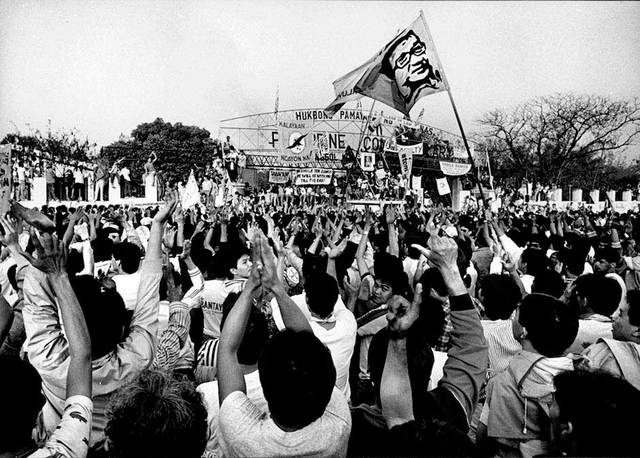
People Power
The 1986 EDSA Revolution that ended Marcos' rule
Key Figures
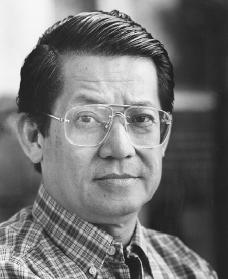
Benigno "Ninoy" Aquino Jr.
Leading opposition figure assassinated in 1983
Corazon Aquino
First female president of the Philippines
Declaration
Proclamation No. 1081 was signed on September 21, 1972, placing the entire Philippines under martial law. Marcos cited rising civil strife and a threat of communist invasion as justifications.
Duration
While formally lifted in 1981, Marcos retained essentially all governing powers until his ouster in 1986. The period from 1972-1986 is often referred to as the "Marcos Dictatorship".
Aftermath
The People Power Revolution in February 1986 ended Marcos' rule, forcing him into exile and restoring democratic institutions in the Philippines.
Key Events Timeline
September 21, 1972
Ferdinand Marcos signs Proclamation No. 1081, placing the entire country under martial law.
September 23, 1972
Martial Law is publicly announced on television. Media outlets are shut down, and opposition figures are arrested.
January 17, 1973
Marcos implements a new constitution, extending his term and consolidating power. The 1935 Constitution is replaced without a proper plebiscite.
January 17, 1981
Martial Law is formally lifted, but Marcos retains power through amendments to the constitution.
August 21, 1983
Opposition leader Benigno "Ninoy" Aquino Jr. is assassinated upon his return to the Philippines, sparking widespread protests.
February 7, 1986
Snap presidential elections are held, widely believed to be fraudulent, leading to the People Power Revolution.
February 25, 1986
The People Power Revolution forces Marcos into exile. Corazon Aquino becomes president, restoring democracy.
Impact on Philippine Society
Human Rights Abuses
According to human rights organizations, the Martial Law period was marked by:
- Over 70,000 incarcerations without due process
- More than 34,000 documented cases of torture
- At least 3,200 extrajudicial killings
- Over 1,000 "disappeared" persons
Economic Consequences
While initially showing growth, the Philippine economy eventually suffered under Martial Law:
- Foreign debt increased from $2.3 billion in 1972 to $26.2 billion in 1986
- Widespread poverty increased, with about 60% of Filipinos living below the poverty line by 1985
- Massive corruption and "crony capitalism" favored Marcos allies
Media and Press Freedom
Marcos shut down media outlets and imposed strict censorship:
- Only media outlets owned by Marcos cronies were allowed to operate
- Journalists were arrested and tortured for critical reporting
- The "Metropolitan" and "Daily Express" became propaganda tools
- Underground publications like "Malay" and "Liberation" emerged as alternatives
- Jovito Salonga, in his memoir "A Journey of Struggle and Hope"
Educational Resources
Learn more about Martial Law in the Philippines through these reputable sources: